Dental Lab Turnaround Time in San Jose, CA: What Dentists Should Ask


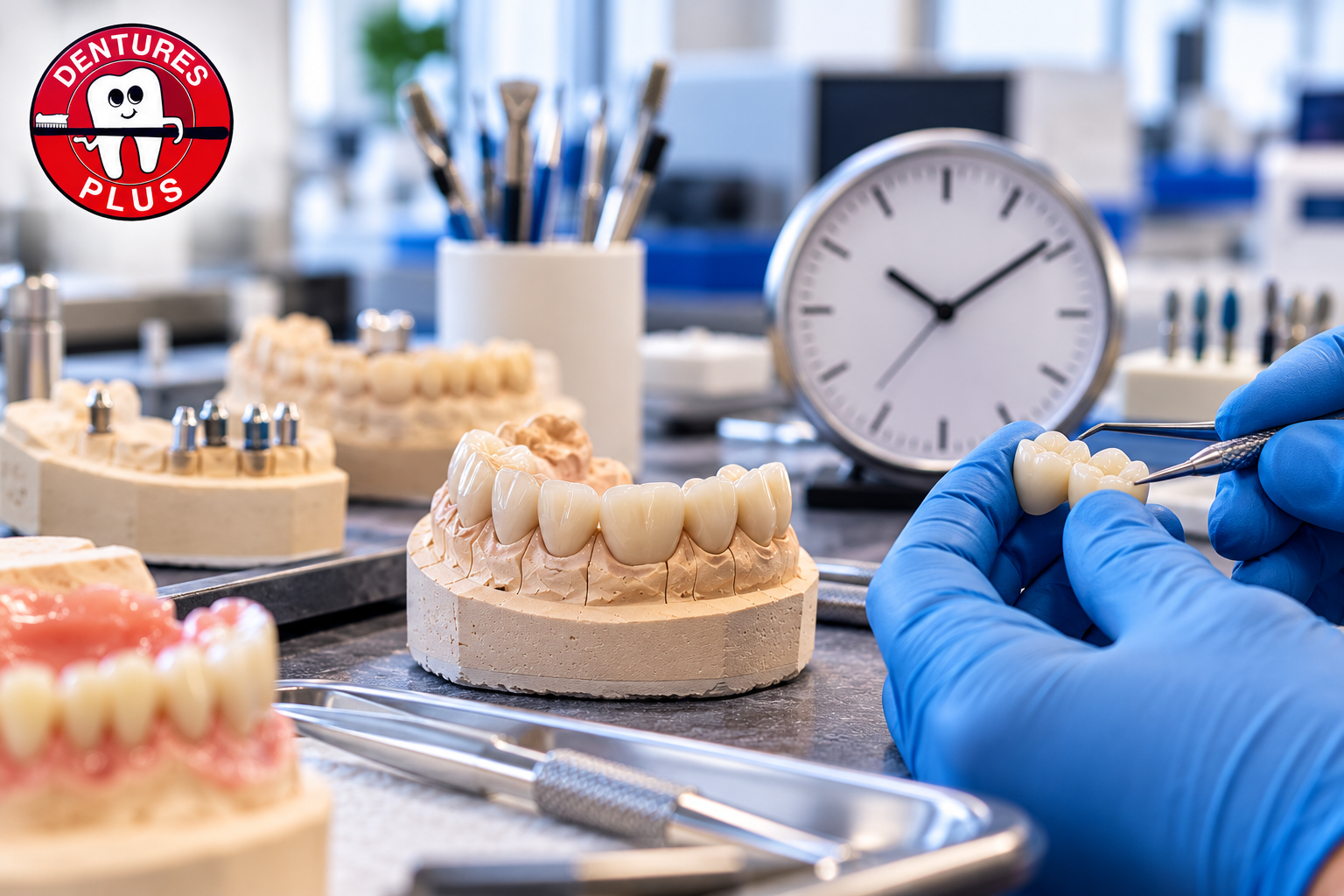
For dental practices, coordinating laboratory work is an important part of managing restorative cases and scheduling patient appointments. Dentists need to understand when a case may be ready, what information the laboratory requires, and how changes or missing details could affect the expected timeline.
When evaluating a dental lab in San Jose, CA, turnaround time should be considered alongside restoration requirements, communication, quality-control procedures, and case complexity.
A clear understanding of the laboratory workflow can help dental practices plan more effectively and communicate realistic expectations to patients.
1. What Affects Dental Lab Turnaround Time?
Dental lab turnaround time can vary depending on several factors. There is no single timeline that applies to every restoration or case.
Common factors include:
• Type of restoration: Crowns, bridges, dentures, implant restorations, and dental appliances may require different laboratory processes.
• Case complexity: Cases with additional design, fabrication, or coordination requirements may need more processing time.
• Quality of case information: Complete prescriptions, accurate specifications, and the necessary supporting records help the laboratory understand the dentist's requirements.
• Materials and workflow: The materials selected and the fabrication methods used can affect the steps involved.
• Case volume and scheduling: The laboratory's workload and agreed scheduling arrangements may influence the expected completion date.
Dentists should discuss these factors with their laboratory partner instead of assuming that every case will follow the same schedule.
2. Why Complete Case Submissions Matter
Missing or unclear information can lead to follow-up questions and potentially delay progress on a case.
Before submitting laboratory work, dental practices should check that the required information is included. Depending on the case, this may involve:
• A completed laboratory prescription
• The type of restoration requested
• Relevant preparation and design specifications
• Shade information and other esthetic requirements, where applicable
• Bite registrations, scans, impressions, or supporting records as required
• Implant system and component details for applicable implant cases
• Special instructions or relevant case notes
Requirements differ by restoration type, so dentists should confirm the submission checklist with their laboratory.
A consistent case-submission process helps reduce avoidable communication gaps and supports a more organized workflow.
3. How Digital Dentistry Can Support Case Coordination
Digital dentistry has changed how many dental practices work with dental laboratories. Intraoral scans and digital files can help transfer case information without relying exclusively on traditional physical impressions.
Depending on the case and the systems involved, digital submissions may support:
• Electronic transfer of intraoral scans
• Sharing digital design information and case specifications
• Easier organization of case records
• Communication about missing information or technical requirements
• Coordination between the dental practice and laboratory
However, a digital submission does not automatically mean a faster turnaround time. The completeness of the files, the type of restoration, the laboratory workflow, and any additional requirements still matter.
Before sending digital cases, dentists should confirm which file formats and scanning systems their laboratory accepts, along with any specific submission instructions.
4. Questions Dentists Should Ask About Turnaround Time
When choosing or reviewing a dental laboratory partner, dentists should ask practical questions about scheduling and communication.
Consider discussing the following:
• What is the expected turnaround time for this specific case?
Ask for an estimate based on the restoration type and case requirements rather than relying on a general timeline.
• When does the turnaround period begin?
Confirm whether timing starts when the case is received, when all required information is available, or after another agreed step.
• How will the laboratory communicate delays or missing information?
Understand who to contact and how updates will be shared.
• What happens if the case requirements change?
Changes to specifications, records, or other case details may affect the workflow. Ask how these changes are handled.
• Are rush requests available?
If your practice occasionally needs an expedited case, ask whether this option is offered and what conditions apply. Do not assume expedited processing is available for every restoration.
These conversations help establish realistic expectations before a case enters the laboratory workflow.
5. Why Communication Between Dentists and Dental Labs Matters
Turnaround time is not determined by fabrication alone. Communication between the dental practice and laboratory is also an important part of case coordination.
Clear communication helps both sides understand the requested restoration, identify missing information, discuss technical questions, and coordinate scheduling.
Dental practices can support this process by:
• Providing complete prescriptions and case records
• Responding promptly to laboratory questions
• Communicating important scheduling requirements early
• Confirming any changes to the original case instructions
• Keeping relevant case information organized
A dependable working relationship allows dentists and laboratory teams to address questions more efficiently and coordinate the next steps with greater clarity.
6. Choosing a Dental Lab in San Jose, CA
For dental practices looking for a dental laboratory in San Jose, CA, turnaround time is one factor to evaluate alongside the laboratory's services and working processes.
Consider whether the laboratory:
• Handles the restoration types your practice regularly submits
• Provides clear case-submission instructions
• Supports the digital workflow your practice uses, where applicable
• Communicates about incomplete submissions and case questions
• Explains scheduling expectations clearly
• Has quality-control procedures appropriate to its services
• Offers a reliable point of contact for case coordination
The goal is not simply to select the laboratory promising the shortest timeline. It is to find a laboratory partner whose capabilities, communication, and workflow align with your practice's needs.
7. How Dentures Plus Supports Dental Practices
Dentures Plus is a dental laboratory based in San Jose, California, serving dental professionals with laboratory services that include dentures, crowns and bridges, implant restorations, and other restorative solutions.
For dentists evaluating a laboratory partner, understanding the services available, case-submission requirements, and communication process is an important first step.
Dental practices can contact Dentures Plus to discuss their laboratory needs, clarify digital submission requirements, and ask about expected turnaround times for specific cases.
Rather than assuming a standard timeline applies to every restoration, dentists should confirm scheduling expectations based on the individual case.
Frequently Asked Questions
How long does a dental lab take to complete a restoration?
Turnaround time depends on the type of restoration, case complexity, materials, completeness of the submission, and the laboratory's schedule. Dentists should request an estimate for each specific case.
What can delay a dental laboratory case?
Missing case information, unclear prescriptions, incomplete digital files, changes to specifications, and additional technical requirements can affect progress. The impact depends on the individual case and laboratory workflow.
Does digital scanning make dental lab turnaround faster?
Digital scanning can support efficient case submission and communication. However, it does not guarantee a shorter turnaround time. The restoration type, file quality, design requirements, and laboratory processes also matter.
What should dentists ask a dental lab about scheduling?
Dentists should ask about expected completion dates, when the turnaround period begins, how case updates are communicated, and what happens when information is missing or requirements change.
How can dentists find a dental laboratory in San Jose, CA?
Dental practices can compare laboratories based on services, digital capabilities, communication, quality-control processes, and scheduling expectations. Contacting the laboratory directly can help clarify whether its workflow suits the practice's needs.
Conclusion
Understanding dental lab turnaround time helps dental practices coordinate restorative cases and set more realistic scheduling expectations. Complete case submissions, clear communication, appropriate digital workflows, and an understanding of case-specific requirements can all support smoother coordination between dentists and laboratory teams.
When evaluating a dental lab in San Jose, CA, look beyond the promised timeline. Consider the laboratory's services, communication practices, workflow, and approach to case coordination.
Dentures Plus works with dental professionals from its San Jose, California, location. Contact the team to discuss your laboratory requirements and ask about turnaround expectations for your cases.