Dental Lab Case Remakes in San Jose, CA: How Better Communication Can Help


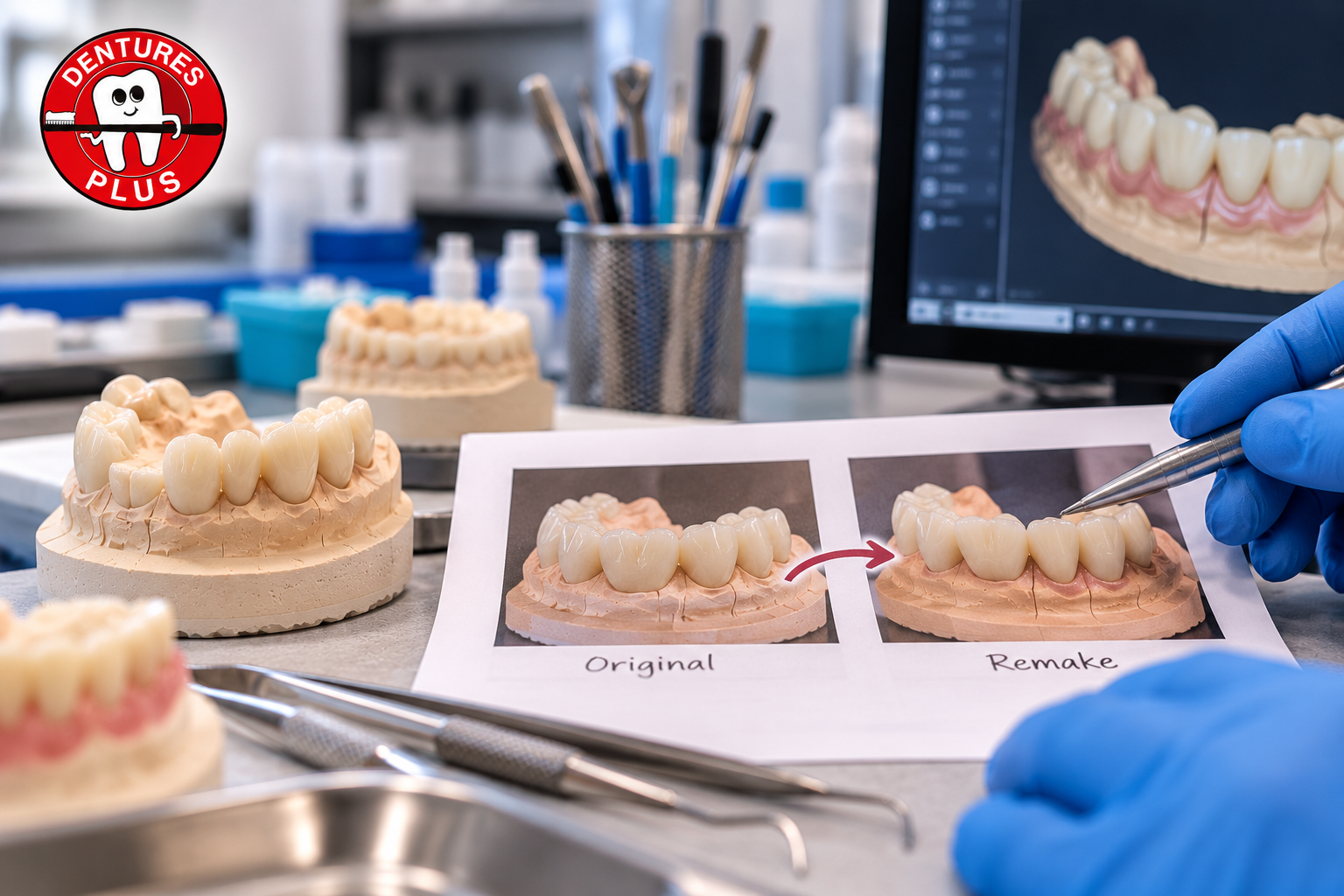
Dental restorations often require coordination between a dental practice and its laboratory partner. When a restoration does not meet the dentist's specifications or a case needs additional work, the dentist and laboratory may need to review the original instructions, available records, and details of the case.
For dental practices, understanding why remakes occur and how to communicate effectively with a dental laboratory can help identify potential issues earlier and support a more organized workflow.
For dentists working with a dental lab in San Jose, CA, clear case instructions, complete records, and timely communication are important parts of managing restorative cases.
1. What Is a Dental Lab Case Remake?
A dental lab case remake generally refers to a situation in which a restoration or appliance must be fabricated again or substantially remade because the original result does not meet the required specifications or needs further correction.
Depending on the case, this may involve crowns, bridges, dentures, implant restorations, or other dental laboratory products.
The reason for a remake can vary. It may relate to clinical records, case specifications, communication gaps, fabrication issues, or changes identified during evaluation.
A remake does not automatically mean that the laboratory is at fault. Understanding the circumstances surrounding the case is important before deciding what corrective action is appropriate.
2. Common Reasons Dental Lab Remakes May Occur
Every case is different, but several factors can contribute to a restoration requiring additional work.
Incomplete or Unclear Case Instructions
When a laboratory prescription does not clearly describe the requested restoration, material, shade, design, or other relevant requirements, the laboratory may need clarification.
Providing complete instructions helps the laboratory understand what the dentist expects.
Inaccurate or Incomplete Records
The quality and completeness of the submitted records can affect the laboratory's ability to proceed with a case.
Depending on the restoration, relevant records may include impressions, digital scans, bite registrations, opposing arch information, shade details, and other supporting information.
If important information is missing or unsuitable, the dentist and laboratory may need to review the case before continuing.
Changes to Case Requirements
A case may change after the original submission because of updated clinical information or revised instructions.
When this happens, communicating the changes promptly helps both parties understand whether the existing workflow or fabrication plan needs to be reviewed.
Unclear Communication About Expectations
Misunderstandings about restoration specifications, esthetic requirements, implant components, or other case details can lead to differences between the original request and the final result.
Clear communication before fabrication can help identify questions that need to be resolved.
Issues Identified During Case Evaluation
A dentist may identify a discrepancy when evaluating a completed restoration. The laboratory and dentist may need to review the available records and the specific concern to determine the appropriate next step.
The cause should be assessed individually rather than assumed in advance.
3. How Better Communication Can Help Reduce Avoidable Remakes
Communication cannot eliminate every remake, but it can help prevent misunderstandings and identify incomplete information before fabrication proceeds.
Provide Complete Case Prescriptions
Dentists should include the relevant instructions and specifications for each case. These may cover restoration type, material selection, shade, design preferences, and other requirements applicable to the case.
If a requirement is particularly important, it should be documented clearly rather than left to interpretation.
Confirm Unclear Details Before Fabrication
If the laboratory needs additional information, both parties should resolve the question before proceeding whenever possible.
Similarly, dentists should feel comfortable contacting the laboratory when they need clarification about case requirements or submission procedures.
Communicate Special Requirements Early
Special esthetic requests, unusual case conditions, and specific scheduling requirements should be communicated during case submission.
Early communication gives the laboratory an opportunity to review the instructions and raise any questions.
Keep Case Records Organized
Maintaining consistent records of prescriptions, submitted files, relevant instructions, and subsequent changes can help the dentist and laboratory review the case if a discrepancy arises.
Organized records also make it easier to understand what was requested and what information was available at the time of submission.
Discuss Discrepancies Constructively
When a restoration does not meet expectations, the next step should be to identify the specific issue and review the relevant information.
A constructive discussion helps both parties understand the concern and determine what needs to happen next.
4. The Role of Digital Case Submission
Digital workflows can support communication between dental practices and laboratories by allowing case files and instructions to be transferred electronically.
Depending on the case and the systems involved, digital submissions may help organize:
• Intraoral scan files
• Restoration specifications
• Digital case records
• Supporting information and instructions
• Updates communicated between the practice and laboratory
However, digital submission alone does not guarantee that a case will be free from discrepancies or remakes.
Dentists should confirm that the required scan data is complete, the appropriate records have been included, and the laboratory has received the necessary instructions.
When additional information is required, timely communication remains important regardless of the submission method.
5. What Dentists Should Do When a Restoration Needs a Remake
When a completed restoration does not meet expectations, a structured review can help the dentist and laboratory determine the appropriate next steps.
Step 1: Identify the Specific Concern
Clearly describe the issue observed during evaluation. Where appropriate, provide supporting photographs, records, or other relevant information.
Step 2: Review the Original Prescription
Compare the concern with the original instructions and specifications submitted to the laboratory.
Step 3: Check the Available Case Records
Review the impressions, digital scans, bite information, shade details, and other records relevant to the restoration.
Step 4: Contact the Laboratory
Explain the discrepancy and provide the available supporting information. The laboratory may need to ask additional questions before evaluating the case.
Step 5: Agree on the Next Steps
The dentist and laboratory should discuss the findings and determine the appropriate action based on the case requirements.
A remake, adjustment, additional record, or other corrective step may be considered depending on the circumstances. The appropriate decision should be made after reviewing the specific case.
6. Questions to Discuss With Your Dental Lab Partner
Dental practices can establish clearer expectations by discussing case communication and remake procedures with their laboratory partner.
Useful questions include:
• What information is required for each type of restoration?
• How should special instructions be documented?
• How does the laboratory communicate when information is missing?
• What records should be provided when reporting a discrepancy?
• How are remake requests reviewed?
• What is the process for determining the next steps when a case does not meet expectations?
• How are revised instructions and case updates documented?
Discussing these questions in advance can help establish a consistent process for handling case concerns.
7. Working With a Dental Lab in San Jose, CA
For dental practices looking for a dental laboratory in San Jose, CA, communication should be an important consideration alongside services, technical capabilities, and case requirements.
A productive dentist-laboratory relationship depends on clearly documented instructions, appropriate case records, and timely discussion of questions or discrepancies.
Dentures Plus is a dental laboratory based in San Jose, California, providing services that include dentures, crowns and bridges, implant restorations, and other dental laboratory solutions.
Dental practices can contact Dentures Plus to discuss their laboratory needs, clarify case-submission requirements, and understand how case questions can be communicated.
The aim is to support a practical working relationship in which both the dental practice and laboratory understand the requirements of each case.
Frequently Asked Questions
What causes dental lab case remakes?
Potential causes include incomplete records, unclear prescriptions, differences between the requested and completed specifications, fabrication issues, or changes to case requirements. Each case should be reviewed individually to understand the reason.
Can better communication prevent dental restoration remakes?
Clear communication can help reduce avoidable misunderstandings and identify missing information before fabrication. However, it cannot eliminate every remake because clinical, technical, and other case-specific factors may also contribute.
What information should dentists provide when requesting a remake?
Dentists should clearly describe the concern and provide relevant supporting information, such as the original prescription, photographs, impressions, digital scans, or other case records, as applicable.
Are dental lab remakes always the laboratory's responsibility?
No. Responsibility depends on the circumstances of the case. The dentist and laboratory may need to review the original instructions, submitted records, and completed restoration before determining the appropriate next steps.
How can dentists improve communication with their dental laboratory?
Dentists can provide complete prescriptions, document special requirements, respond to questions promptly, maintain organized case records, and discuss discrepancies with the laboratory using clear and specific information.
Conclusion
Dental lab case remakes can arise for several reasons, and understanding the circumstances behind each case is important. Clear prescriptions, complete records, early communication, and a structured review process can help dental practices and laboratories address discrepancies more effectively.
For dentists working with a dental laboratory in San Jose, CA, communication is an important part of managing restorative cases and maintaining a consistent workflow.
Dentures Plus works with dental professionals from its San Jose location. Dental practices can contact the team to discuss laboratory services, case-submission requirements, and communication procedures.