Dental Laboratory Services in California: What Dental Practices Should Know


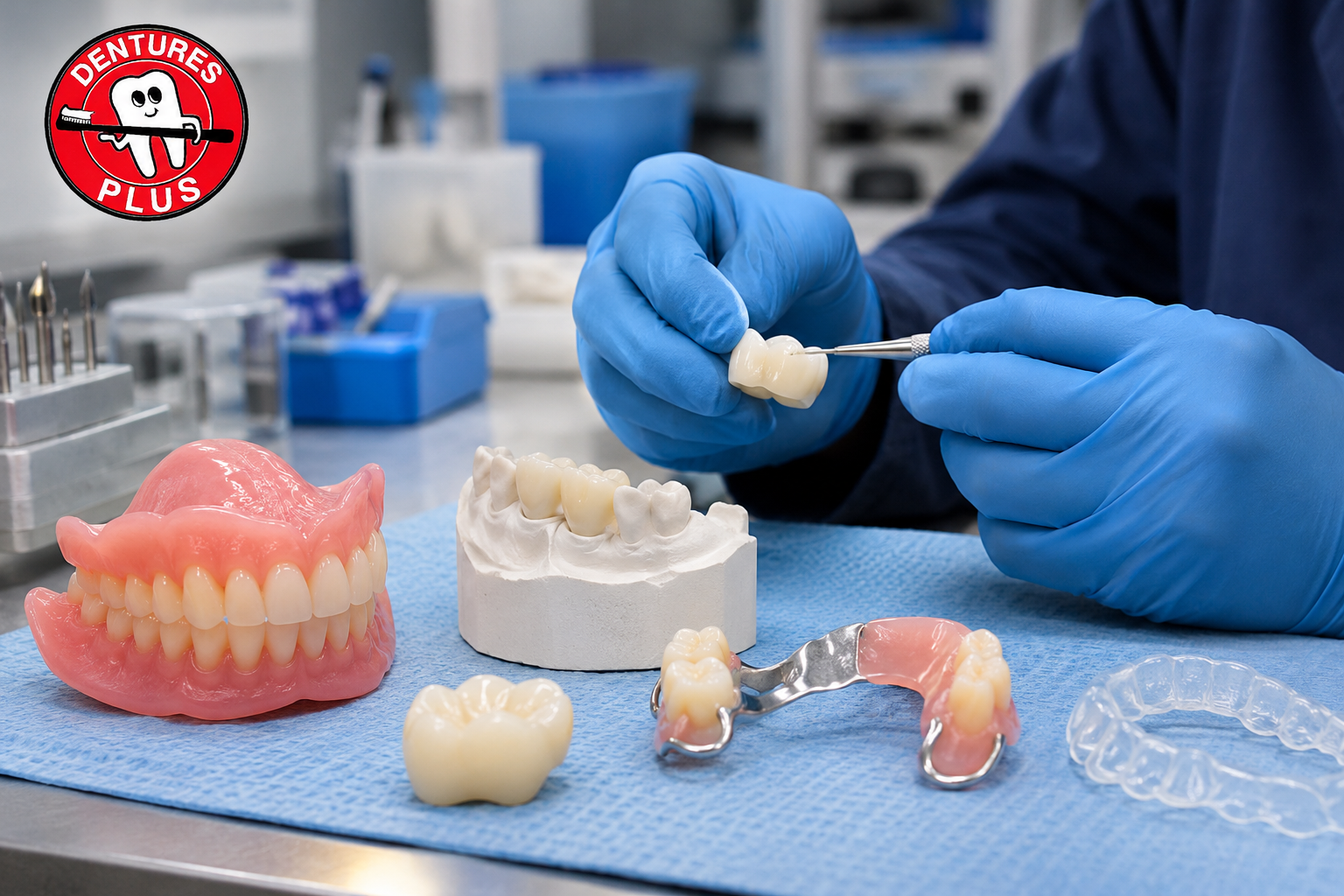
Dental laboratories play an important role in modern restorative dentistry. From custom dentures and crowns to bridges and implant restorations, dental laboratories work alongside dentists to support different restorative treatment requirements.
California has a large and diverse dental care market, with dental practices serving patients across major cities and communities. For dentists, selecting an appropriate dental laboratory partner is an important part of managing restorative cases efficiently.
A reliable laboratory relationship involves more than receiving a finished restoration. It also includes accurate case submissions, material selection, communication, quality checks, and coordination throughout the fabrication process.
In this guide, we explore the major dental laboratory services available to dental practices and the factors dentists should consider when choosing a dental lab in California.
What Are Dental Laboratory Services?
Dental laboratory services involve the design, fabrication, finishing, and inspection of dental restorations and appliances based on prescriptions and information provided by dental professionals.
Dentists collaborate with dental technicians to create restorations that meet individual clinical and functional requirements.
Common dental laboratory services include:
- Complete and partial dentures
- Dental crowns and bridges
- Implant restorations
- Dental veneers
- Temporary restorations
- Dental appliances
- Other custom dental prosthetic solutions
The specific services and materials available depend on the capabilities of each laboratory.
Types of Dental Laboratory Services in California
Dental practices may require different laboratory services depending on their patients' treatment plans and restorative requirements.
1. Complete and Partial Dentures
Dentures are removable dental prostheses designed to replace missing teeth.
Dental laboratories fabricate complete and partial dentures according to the dentist's prescription, impressions, bite records, tooth selection, and other case-specific requirements.
Important considerations include:
- Accurate impressions and jaw relationship records
- Tooth arrangement
- Appropriate aesthetics
- Base design and material selection
- Finishing and fit evaluation
Clear communication between the dentist and laboratory is important throughout the denture fabrication process.
2. Dental Crowns and Bridges
Crowns and bridges are commonly used in restorative dentistry.
A crown restores an individual tooth, while a bridge can replace one or more missing teeth using appropriate supporting structures.
Dental laboratories may fabricate crowns and bridges using different materials, including:
- Zirconia
- Lithium disilicate
- Metal-ceramic materials
- Other suitable restorative materials
Material selection depends on the clinical situation, restoration design, functional requirements, and dentist's prescription.
3. Implant Restorations
Implant restorations require careful coordination between the dentist and dental laboratory.
The laboratory may work with implant-related components and restorative designs according to the information supplied by the treating dentist.
Important case information can include:
- Implant system and connection details
- Implant position
- Required restorative components
- Digital scans or impressions
- Material preferences
- Shade and aesthetic requirements
Accurate case information helps the laboratory understand the intended restoration.
4. Dental Veneers
Dental veneers are thin restorations designed to cover the visible surfaces of teeth in selected restorative cases.
Their fabrication requires attention to shade, shape, contours, material selection, and the dentist's aesthetic instructions.
Communication between the dentist and technician helps clarify the desired appearance and restoration specifications.
5. Dental Appliances
Dental laboratories may also fabricate different appliances according to clinical prescriptions.
These can include night guards and other custom dental appliances.
The design, material, and fabrication method depend on the intended application and the dentist's instructions.
How to Choose the Right Dental Lab in California
Choosing a dental laboratory is an important decision for any dental practice.
Dentists should evaluate several factors before establishing a long-term laboratory partnership.
1. Range of Laboratory Services
Start by reviewing the services offered by the laboratory.
A dental practice may need support with crowns, bridges, dentures, implant restorations, or other appliances.
Understanding the laboratory's actual capabilities helps determine whether it can meet the practice's requirements.
2. Material Knowledge and Selection
Different restorative materials have different properties and applications.
Dentists should discuss material availability, manufacturer specifications, and fabrication requirements with their laboratory partner.
The final material choice should always follow the clinical requirements and dentist's prescription.
3. Quality Control Procedures
Quality inspection is an important part of dental laboratory production.
Dentists can ask how the laboratory reviews restorations before dispatch.
Common inspection considerations include:
- Marginal adaptation
- Anatomical contours
- Interproximal contacts
- Occlusal relationships
- Surface finishing
- Material-related defects
The dentist performs the final clinical evaluation before placing the restoration.
4. Communication and Case Coordination
Clear communication can help reduce misunderstandings during laboratory work.
Dentists should consider whether the laboratory has a clear process for:
- Receiving case submissions
- Reviewing prescriptions
- Clarifying missing information
- Discussing material preferences
- Communicating case-related concerns
- Providing dispatch and delivery updates
A well-organized communication process supports better coordination.
5. Turnaround Time and Scheduling
Laboratory turnaround time can influence a dental practice's appointment planning.
Before submitting a case, dentists should discuss expected timelines based on the restoration type, complexity, materials, and laboratory workload.
It is also important to understand how the laboratory communicates potential delays or additional requirements.
6. Digital Dentistry Capabilities
Digital dentistry has changed how many dental laboratories receive and process restorative cases.
Depending on the systems available, laboratories may work with:
- Intraoral scans
- Digital impressions
- CAD design software
- CAM manufacturing workflows
- Digital case documentation
Dentists should confirm file compatibility and submission requirements before starting a digital workflow with a laboratory.
Traditional vs. Digital Dental Laboratory Workflows
Dental laboratories may use conventional, digital, or combined fabrication workflows.
Traditional workflows often involve physical impressions, stone models, wax patterns, and conventional laboratory fabrication techniques.
Digital workflows may use intraoral scans, CAD software, and computer-controlled manufacturing methods.
Both approaches can be appropriate depending on the restoration, case requirements, materials, and laboratory capabilities.
Digital technology can support organized case information and design modifications, while conventional techniques remain useful for many laboratory procedures.
The choice of workflow should be based on the specific clinical and technical requirements.
Common Challenges Dental Practices Face When Working With Dental Labs
Even when a dental practice has an established laboratory partner, certain challenges can arise.
Incomplete Case Submissions
Missing impressions, scans, prescriptions, or shade details can delay the fabrication process.
What helps: Use a case submission checklist and provide complete clinical information.
Restoration Fit Concerns
Inaccurate preparation information or unclear margins can affect restoration design.
What helps: Provide accurate impressions or digital scans and communicate preparation details clearly.
Material Selection Confusion
Different materials may have different indications and processing requirements.
What helps: Discuss material specifications with the laboratory before fabrication begins.
Communication Gaps
Unclear instructions can lead to unnecessary adjustments or remakes.
What helps: Maintain clear case identification and document important design discussions.
Scheduling Difficulties
Unclear turnaround expectations can affect appointment coordination.
What helps: Discuss expected completion dates and communicate clinical priorities during case submission.
Why Local Dental Laboratory Partnerships Matter in California
For dental practices in California, working with a laboratory partner that understands their case requirements and communication expectations can be valuable.
Location may be one factor when evaluating a laboratory, particularly when discussing delivery arrangements, communication, or case coordination.
However, dentists should also consider the laboratory's technical capabilities, restoration experience, quality procedures, and ability to handle the types of cases their practice submits.
A suitable partnership should support the clinical and operational requirements of the dental practice rather than relying on location alone.
Why Dental Practices in California Can Consider Dentures Plus
Dentures Plus is a dental laboratory based in San Jose, California, serving dental professionals with dental laboratory and restoration services.
The laboratory's service areas include:
- Complete and partial dentures
- Crowns and bridges
- Implant restorations
- Dental veneers
- Dental appliances
- Other dental restoration requirements
For dentists considering a laboratory partnership, clear communication about case specifications, material preferences, shade requirements, and restoration expectations is an important starting point.
Dentures Plus works with dental professionals to understand their laboratory requirements and coordinate restoration cases.
Dental practices can contact the team to discuss their specific requirements and determine whether the available laboratory services are suitable for their needs.
Questions to Ask Before Choosing a California Dental Lab
Before selecting a dental laboratory, dentists may find it useful to ask:
- What types of dental restorations do you fabricate?
- Which restorative materials are available?
- How do you manage case submissions and documentation?
- What quality inspection procedures are followed?
- Can you work with digital impressions and intraoral scans?
- How are turnaround expectations communicated?
- How are case-related concerns and remakes handled?
- What are your delivery arrangements for our location?
These questions can help dental practices evaluate a laboratory's suitability and establish clear working expectations.
Final Thoughts
Choosing the right dental laboratory is an important part of restorative dental practice management.
From dentures and crowns to implant restorations and dental appliances, laboratories support dentists through technical fabrication, material knowledge, case coordination, and communication.
Dental practices looking for dental laboratory services in California should evaluate the laboratory's service range, quality procedures, digital capabilities, communication process, and experience with relevant restoration types.
A well-coordinated relationship between dentists and dental technicians can help support organized restorative workflows and better case management.
Looking for dental laboratory services in California?
Contact Dentures Plus in San Jose, CA, to discuss your crown, bridge, denture, implant restoration, and other dental laboratory requirements.