Denture Lab in California: Services, Materials, and What Dentists Should Know


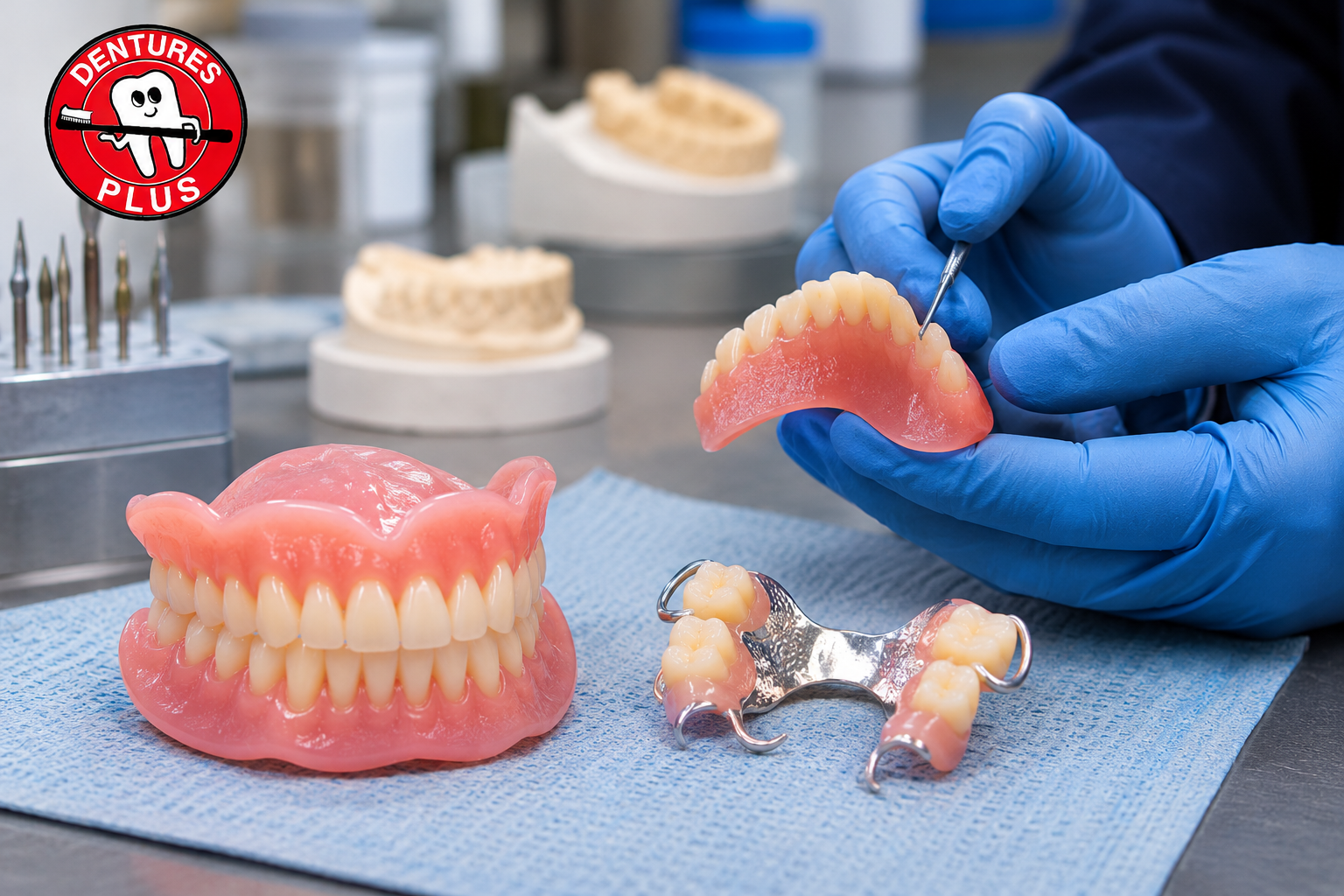
Dentures remain an important restorative solution for patients with partial or complete tooth loss. For dental practices, providing suitable denture restorations requires careful planning, accurate clinical records, appropriate material selection, and coordination with a dental laboratory.
A professional denture laboratory supports dentists throughout the fabrication process, from reviewing case submissions to preparing and finishing custom prostheses according to clinical specifications.
Dental practices looking for a denture lab in California should understand the different services available, the materials used in fabrication, and the factors that influence the overall laboratory workflow.
This guide explains what dentists should know when evaluating denture laboratory services and choosing a suitable laboratory partner.
What Does a Denture Laboratory Do?
A denture laboratory specializes in the design and fabrication of removable dental prostheses based on prescriptions and clinical information supplied by dentists.
Laboratory technicians work with impressions, models, bite registrations, tooth selection details, and other case information to fabricate dentures according to individual requirements.
Common denture laboratory services include:
- Complete denture fabrication
- Partial denture fabrication
- Custom denture bases
- Artificial tooth selection and arrangement
- Denture finishing and polishing
- Denture repairs and adjustments, where offered
- Digital denture design and fabrication, where available
The exact services offered vary between laboratories. Dentists should confirm the available capabilities before submitting cases.
Types of Denture Laboratory Services in California
Different patients require different types of removable prostheses. Dentists should understand the available denture options when planning restorative treatment.
1. Complete Dentures
Complete dentures are removable prostheses designed to replace all teeth in the upper or lower arch.
Their fabrication involves several important considerations, including:
- Accurate impressions
- Jaw relationship records
- Appropriate tooth selection
- Tooth arrangement
- Occlusal relationships
- Denture base design
- Aesthetic requirements
Laboratory technicians use the clinical information provided by the dentist to prepare a prosthesis that meets the prescribed requirements.
2. Partial Dentures
Partial dentures are designed for patients who have some remaining natural teeth.
Depending on the case, partial dentures may include acrylic components, metal frameworks, artificial teeth, and other suitable elements.
Important fabrication considerations include:
- Remaining tooth positions
- Available support and retention
- Framework design
- Artificial tooth arrangement
- Material selection
- Functional and aesthetic requirements
The dentist's prescription and clinical evaluation guide the design of the partial denture.
3. Acrylic Dentures
Acrylic resin is commonly used in removable denture fabrication.
Acrylic denture bases can be processed using established laboratory techniques and are available in different product formulations.
The laboratory should follow the manufacturer's processing instructions and consider the specific requirements of each case.
4. Flexible Partial Dentures
Certain partial denture systems use flexible materials for selected clinical applications.
These materials have specific indications and limitations. Their suitability depends on the patient's clinical condition and the dentist's treatment plan.
Dentists should discuss material options and laboratory capabilities before selecting this type of prosthesis.
5. Implant-Supported Overdentures
Implant-supported overdentures are removable prostheses that use dental implants for additional support and retention.
These cases require accurate information about implant positions, attachment systems, restorative components, and the dentist's design instructions.
Communication between the dental practice and laboratory is particularly important when coordinating implant-related denture cases.
Common Materials Used in Denture Fabrication
Material selection influences the fabrication process, appearance, handling characteristics, and intended application of a denture.
Some commonly used materials include:
Acrylic Resin
Acrylic resin is widely used for denture bases and artificial teeth.
Its popularity in removable prosthodontics is associated with its processing characteristics, appearance, and availability in different formulations.
Heat-Polymerized Acrylic Resin
Heat-polymerized acrylic resin is used in conventional denture processing workflows.
The material is processed according to the manufacturer's recommended procedures to produce the denture base.
Self-Curing Acrylic Resin
Self-curing acrylic resin may be used in selected laboratory procedures, repairs, and other appropriate applications.
Its use depends on the intended purpose and manufacturer instructions.
Flexible Denture Materials
Some removable partial dentures use flexible thermoplastic materials.
These materials have different physical and processing properties compared with conventional acrylic resins.
Artificial Denture Teeth
Artificial teeth are selected based on factors such as:
- Tooth size and shape
- Shade
- Arch dimensions
- Occlusal requirements
- Patient-specific aesthetic considerations
The dentist's instructions help guide the laboratory during tooth selection and arrangement.
How Denture Fabrication Works in a Dental Laboratory
Denture fabrication involves multiple stages. The exact process depends on the prosthesis type, clinical requirements, and laboratory workflow.
Step 1: Case Submission and Prescription Review
The dentist submits the case with the required clinical information.
This may include:
- Patient and case identification
- Upper and lower impressions
- Bite registration
- Tooth shade and mould preferences
- Clinical photographs, where useful
- Special fabrication instructions
The laboratory reviews the available information before beginning fabrication.
Step 2: Model Preparation
Physical impressions may be used to prepare working models.
In digital workflows, compatible scan data may be used to create digital models.
Accurate records are important because the working model provides the foundation for subsequent laboratory procedures.
Step 3: Custom Tray or Record Base Preparation
Depending on the case and treatment stage, the laboratory may prepare custom trays or record bases.
These components support clinical procedures such as final impression making and jaw relationship recording.
Step 4: Tooth Selection and Arrangement
Artificial teeth are selected according to the dentist's instructions and case requirements.
The technician arranges the teeth while considering:
- Tooth position
- Arch form
- Aesthetic appearance
- Occlusal relationships
- Available space
- Functional requirements
The dentist reviews the setup when a clinical try-in stage is required.
Step 5: Denture Base Processing
Once the required setup is approved, the laboratory proceeds with denture base fabrication.
The processing method depends on the material and laboratory technique being used.
Step 6: Finishing and Polishing
After processing, the denture undergoes finishing procedures.
This may involve removing excess material, refining borders, smoothing surfaces, and polishing the prosthesis.
Step 7: Final Laboratory Inspection
Before dispatch, the laboratory reviews the completed denture according to the case requirements.
Inspection may include:
- Surface finish
- Tooth arrangement
- Visible defects
- Base contours
- Overall appearance
- Case identification
The dentist performs the final clinical assessment, fit verification, and any necessary adjustments before delivery to the patient.
What Should Dentists Provide When Submitting a Denture Case?
Complete case information helps laboratory technicians understand the clinical requirements and reduce avoidable communication gaps.
Dentists should consider providing:
- Accurate preliminary or final impressions, as appropriate.
- Upper and lower arch information.
- Bite registration and jaw relationship records.
- Tooth shade and mould preferences.
- Denture design instructions.
- Information about remaining natural teeth.
- Implant and attachment details, where applicable.
- Clinical photographs when useful.
- Special instructions related to aesthetics and function.
The required records depend on the type of denture and the clinical stage of treatment.
Common Challenges in Denture Laboratory Workflows
Even with established laboratory procedures, denture cases can involve several technical and communication challenges.
Inaccurate Impressions
Impression inaccuracies can affect model preparation and subsequent fabrication steps.
What helps: Provide accurate impressions and review clinical records before submission.
Incorrect Jaw Relationship Records
Incomplete or inaccurate jaw records can complicate tooth arrangement and occlusal planning.
What helps: Provide appropriate bite registrations and clear clinical instructions.
Tooth Selection Differences
Differences in shade, size, or mould preferences may affect the expected appearance.
What helps: Communicate tooth selection preferences clearly during case submission.
Material Selection Issues
Different denture materials have different indications and processing requirements.
What helps: Discuss material suitability and specifications with the laboratory before fabrication.
Incomplete Case Instructions
Missing information can create delays and additional communication.
What helps: Use a standardized case submission checklist.
How to Choose the Right Denture Lab in California
Dental practices should evaluate more than the laboratory's location when selecting a denture fabrication partner.
Important factors include:
Service Capabilities: Confirm whether the laboratory handles complete dentures, partial dentures, and other required prosthetic cases.
Material Knowledge: Discuss the materials available and their intended applications.
Fabrication Workflow: Understand how the laboratory receives, processes, and reviews denture cases.
Communication: Check how the laboratory handles questions, missing information, and design instructions.
Quality Inspection: Ask about the procedures followed before completed dentures are dispatched.
Turnaround Expectations: Discuss realistic completion timelines based on the case type and complexity.
Remake and Adjustment Policies: Understand how case-related concerns and remake requests are reviewed.
These considerations help dental practices evaluate whether a laboratory is suitable for their clinical and operational requirements.
How Digital Dentistry Is Changing Denture Laboratory Workflows
Digital dentistry has introduced additional options for denture design and fabrication.
Depending on the systems available, digital denture workflows may involve:
- Intraoral or extraoral digital scans
- Digital model preparation
- CAD-based denture design
- Digital tooth arrangement
- CAM milling
- Additive manufacturing
- Digital case documentation
Digital workflows can support organized case information and design modifications.
However, the choice between conventional and digital fabrication depends on the case, available technology, material requirements, and clinical prescription.
Digital technology does not replace the need for accurate records and professional evaluation.
Why Dental Practices in California Can Consider Dentures Plus
Dentures Plus is a dental laboratory based in San Jose, California, serving dental professionals with dental laboratory and restoration services.
Its service areas include complete and partial dentures, crowns and bridges, implant restorations, dental veneers, and dental appliances.
For denture cases, clear communication about impressions, jaw records, tooth selection, shade preferences, and design requirements helps the laboratory understand the dentist's expectations.
Dental professionals can contact Dentures Plus to discuss their denture laboratory requirements and determine whether its services are appropriate for their practice.
Final Thoughts
Denture fabrication requires careful coordination between dentists and dental laboratory technicians.
From complete and partial dentures to implant-supported overdentures, every case has individual clinical and technical requirements.
Understanding available materials, fabrication stages, case submission requirements, and quality inspection procedures can help dental practices manage their denture workflows more effectively.
For dentists looking for a denture lab in California, evaluating service capabilities, communication, material knowledge, and turnaround expectations is an important step toward establishing a suitable laboratory partnership.
Looking for a denture laboratory in California?
Contact Dentures Plus in San Jose, CA, to discuss your complete denture, partial denture, and other dental laboratory requirements.