Dental Veneer Lab in California: Materials, Design, and Fabrication Process


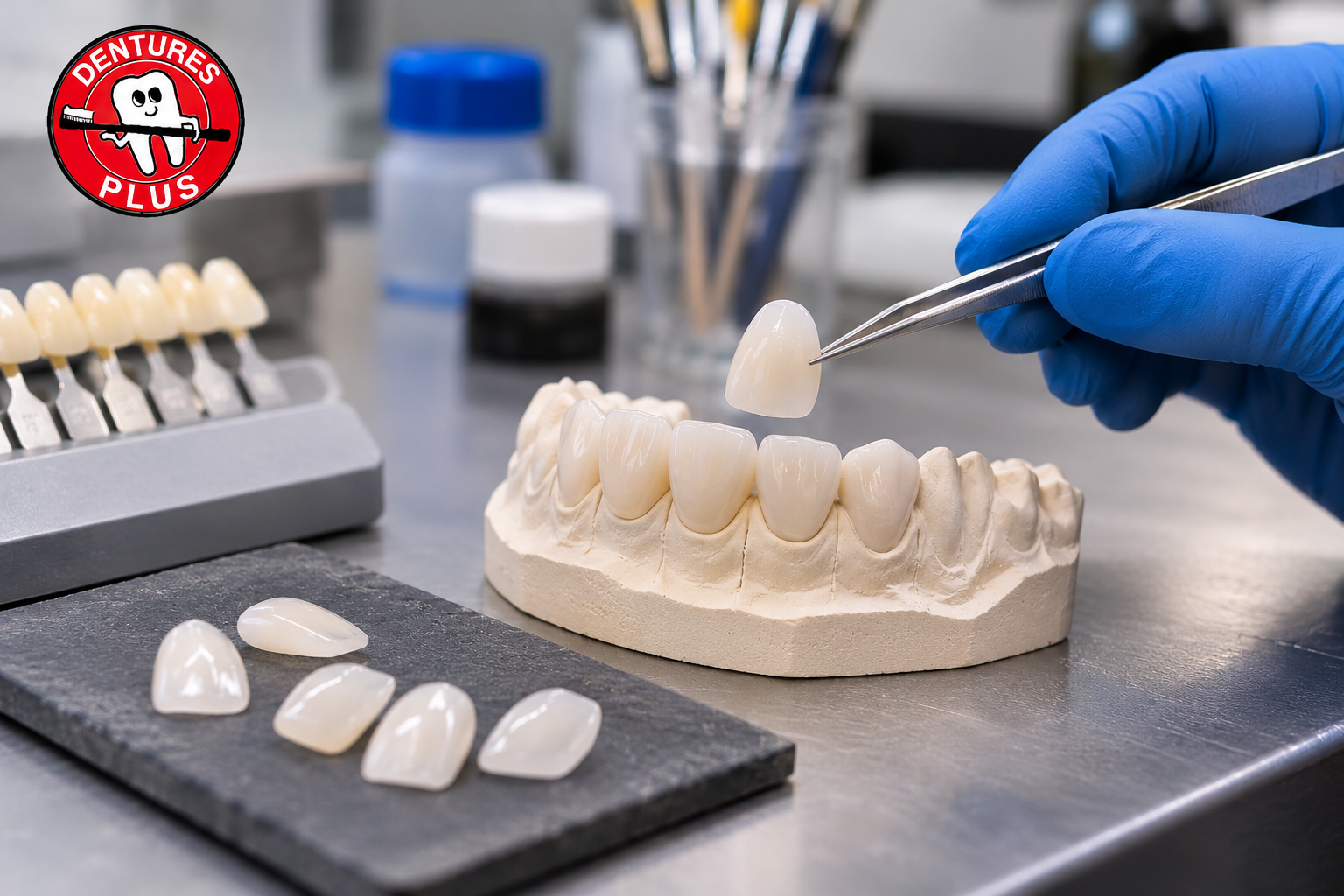
Dental veneers are commonly used in restorative and aesthetic dentistry to improve the appearance of selected teeth. Their fabrication requires careful attention to material selection, tooth preparation details, shade matching, restoration design, and finishing.
For dentists, working with a dental laboratory that understands veneer fabrication requirements is an important part of coordinating aesthetic restorative cases.
A dental veneer laboratory works with clinical information provided by dentists to manufacture restorations according to individual case specifications. Factors such as tooth anatomy, preparation design, material characteristics, and aesthetic expectations influence the laboratory workflow.
Dental practices looking for a dental veneer lab in California should understand the materials, fabrication methods, and quality considerations involved in veneer production.
This guide explains how dental laboratories approach veneer fabrication and what dentists should consider when choosing a laboratory partner.
What Does a Dental Veneer Laboratory Do?
A dental veneer laboratory specializes in fabricating thin restorations designed to cover the visible surfaces of selected teeth.
Dentists prescribe veneers based on individual clinical and aesthetic requirements. The laboratory uses the submitted impressions, digital scans, preparation details, photographs, and shade instructions to design and fabricate the restorations.
Common laboratory activities may include:
- Reviewing veneer case submissions
- Evaluating preparation and scan information
- Selecting suitable restorative materials
- Designing veneer contours
- Matching prescribed shades
- Fabricating veneer restorations
- Finishing and polishing
- Inspecting completed restorations
The exact services and materials available depend on the laboratory's capabilities.
Types of Materials Used in Dental Veneer Fabrication
Material selection is an important consideration because different materials have different optical, mechanical, and processing characteristics.
1. Lithium Disilicate
Lithium disilicate is a glass-ceramic material used in selected veneer restorations.
It is valued for its aesthetic characteristics and ability to reproduce natural-looking tooth appearance.
Important considerations include:
- Material thickness
- Preparation design
- Shade selection
- Translucency requirements
- Manufacturer processing instructions
- Clinical indications
The suitability of lithium disilicate depends on the specific case and the dentist's prescription.
2. Feldspathic Porcelain
Feldspathic porcelain is another material used in aesthetic veneer fabrication.
It offers useful optical characteristics and can be layered to reproduce details such as translucency, surface texture, and natural-looking shade variations.
Laboratory technicians may use different layering techniques depending on the required appearance and case specifications.
3. Other Ceramic Materials
Different ceramic products may be considered for selected aesthetic restorative applications.
The appropriate material depends on the restoration design, available space, mechanical requirements, aesthetic expectations, and manufacturer's indications.
Dentists should discuss material options with their laboratory partner before fabrication begins.
How Dental Laboratories Fabricate Veneers
Veneer fabrication involves multiple stages. The workflow can vary depending on the material, laboratory technology, and individual clinical requirements.
Step 1: Case Submission and Prescription Review
The process begins when the dentist submits the veneer case to the laboratory.
The submission may include:
- Patient and case identification
- Prepared tooth details
- Impressions or digital scans
- Shade information
- Clinical photographs
- Desired tooth shape and contours
- Material preferences
- Special aesthetic instructions
The laboratory reviews the available information to understand the dentist's expectations.
If important details are missing, clarification may be required before fabrication begins.
Step 2: Digital Scan or Model Preparation
Depending on the workflow, the laboratory may receive conventional impressions or digital scan files.
In conventional workflows, impressions are used to create working models.
In digital workflows, compatible scan data can be imported into dental design software.
Accurate preparation information is particularly important because veneer restorations are designed with specific attention to the available restorative space and tooth anatomy.
Step 3: Veneer Design
The veneer design is developed according to the dentist's prescription.
Important design considerations include:
- Tooth length and width
- Facial contours
- Incisal edge position
- Proximal contours
- Surface anatomy
- Available restorative thickness
- Shade and translucency requirements
For aesthetic cases, photographs and additional clinical information can help the technician understand the desired appearance.
Step 4: Material Selection and Fabrication
Once the design is established, the laboratory proceeds with an appropriate fabrication method.
Depending on the selected material and available systems, fabrication may involve:
- Ceramic layering
- Pressed ceramic techniques
- CAD/CAM milling
- Other material-specific laboratory procedures
Each material requires appropriate handling and processing according to manufacturer instructions.
Step 5: Shade Characterization
Shade matching is one of the important aspects of aesthetic veneer fabrication.
The laboratory considers the shade prescribed by the dentist along with the available clinical photographs and other case information.
Relevant considerations may include:
- Base shade
- Translucency
- Brightness
- Surface characterization
- Incisal effects
- Relationship with adjacent teeth
Clear communication about shade expectations helps technicians understand the intended aesthetic result.
Step 6: Finishing and Polishing
After fabrication, the veneer undergoes appropriate finishing procedures.
These may include refining contours, adjusting surface texture, polishing, glazing, or other material-specific finishing steps.
The goal is to prepare the restoration according to its material requirements and the dentist's design specifications.
Step 7: Final Laboratory Inspection
Before dispatch, the laboratory reviews the completed veneer.
Inspection may include:
- Overall shape and contour
- Surface finish
- Visible defects
- Shade appearance
- Restoration integrity
- Case identification
- Relevant design specifications
The dentist performs the final clinical evaluation, fit verification, and any required adjustments before placement.
Why Shade Matching Matters in Veneer Fabrication
Shade matching is an important part of aesthetic restorative work.
Unlike some posterior restorations, veneers are frequently placed on visible tooth surfaces. Therefore, their appearance must be considered in relation to surrounding natural teeth.
Several factors can influence the final shade appearance:
Base Shade: The underlying tooth shade and preparation characteristics can influence the final appearance.
Translucency: Different materials allow varying amounts of light transmission.
Brightness: The restoration's overall brightness should be considered alongside adjacent teeth.
Surface Texture: Surface characteristics can influence how light reflects from the restoration.
Incisal Characterization: Natural-looking incisal effects may be relevant in selected anterior cases.
Dentists can support the laboratory by providing accurate shade information and suitable clinical photographs.
Common Challenges in Dental Veneer Fabrication
Veneer cases can involve several technical and communication challenges.
Incomplete Clinical Information
Missing photographs, unclear shade instructions, or incomplete preparation details may make the intended design difficult to understand.
What helps: Provide complete case information and clear instructions during submission.
Shade Differences
Differences between the prescribed shade and the expected final appearance can create aesthetic concerns.
What helps: Share appropriate shade references, photographs, and specific characterization instructions.
Incorrect Contours
Veneers require careful consideration of tooth shape, proportions, and surface anatomy.
What helps: Communicate the desired contours and provide diagnostic or reference information where available.
Material Selection
Different ceramic materials have different indications and processing requirements.
What helps: Discuss material suitability with the laboratory according to the dentist's clinical plan.
Marginal Adaptation
Accurate preparation information is important for designing appropriate veneer margins.
What helps: Provide clear impressions or digital scans and communicate any preparation-related concerns.
Communication Gaps
Unclear aesthetic expectations can result in additional design discussions or adjustments.
What helps: Document shade, shape, material, and other case-specific instructions.
How Digital Dentistry Supports Veneer Fabrication
Digital dentistry has introduced additional options for veneer design and manufacturing.
Depending on the systems available, a digital veneer workflow may include:
- Intraoral scan submissions
- Digital model preparation
- CAD-based veneer design
- Digital contour evaluation
- CAM milling
- Digital case documentation
Digital workflows can support design visualization and organized case records.
However, digital technology does not replace the need for accurate clinical records, material knowledge, technician expertise, and professional quality inspection.
The most appropriate workflow depends on the individual case and the laboratory's available capabilities.
What Dentists Should Provide When Submitting Veneer Cases
Accurate case submissions help laboratory technicians understand the aesthetic and technical requirements.
Dentists should consider providing:
- Accurate impressions or digital scans.
- Clear preparation details.
- Tooth numbers and veneer specifications.
- Shade information.
- Clinical photographs, where useful.
- Desired tooth shape and contour instructions.
- Material preferences.
- Relevant bite and occlusal information.
- Special aesthetic requirements.
For complex aesthetic cases, clear communication before fabrication can help reduce misunderstandings and unnecessary adjustments.
How to Choose a Dental Veneer Lab in California
Dental practices evaluating a veneer laboratory should consider several factors.
Material Knowledge: Understand which ceramic materials the laboratory works with and whether they are suitable for the cases submitted.
Aesthetic Experience: Discuss the laboratory's approach to shade matching, contours, and surface characterization.
Fabrication Capabilities: Confirm which conventional or digital fabrication methods are available.
Case Communication: Evaluate how the laboratory handles shade instructions, photographs, design questions, and additional information.
Quality Inspection: Ask how completed restorations are reviewed before dispatch.
Turnaround Expectations: Discuss realistic timelines according to the material and case complexity.
Case-Related Concerns: Understand how the laboratory reviews adjustments, remake requests, and other concerns.
A suitable laboratory partnership should align with the dental practice's clinical requirements and aesthetic expectations.
Why Dental Practices Can Consider Dentures Plus
Dentures Plus is a dental laboratory based in San Jose, California, serving dental professionals with dental laboratory and restoration services.
Its service areas include crowns and bridges, complete and partial dentures, implant restorations, dental veneers, and dental appliances.
For veneer-related cases, clear communication about preparation details, shade requirements, material preferences, and desired contours is important.
Dental professionals can contact Dentures Plus to discuss their laboratory requirements and determine whether the available services are suitable for their practice.
A well-coordinated dentist--laboratory relationship begins with accurate clinical information and clear aesthetic expectations.
Frequently Asked Questions
What materials are commonly used for dental veneers?
Common materials include lithium disilicate and feldspathic porcelain. The appropriate choice depends on clinical requirements, restoration design, material indications, and the dentist's prescription.
Why is shade matching important in veneer fabrication?
Shade matching helps the laboratory understand the desired appearance of the restoration in relation to surrounding natural teeth.
Can dental veneers be fabricated using digital workflows?
Yes. Depending on the laboratory's capabilities and selected material, compatible digital scans and CAD/CAM workflows may be used for veneer design and fabrication.
What information should dentists provide to a veneer laboratory?
Dentists should provide accurate impressions or scans, preparation details, shade instructions, clinical photographs where useful, material preferences, and design requirements.
What affects veneer fabrication time?
Turnaround time depends on case complexity, selected material, fabrication method, laboratory workload, and whether additional information or design clarification is required.
Where is Dentures Plus located?
Dentures Plus is a dental laboratory located in San Jose, California. Dental professionals can contact the laboratory to discuss their restoration requirements and available services.
Final Thoughts
Dental veneer fabrication requires a combination of material knowledge, accurate design, aesthetic understanding, and careful laboratory procedures.
From shade matching and ceramic selection to finishing and final inspection, every stage contributes to the restorative workflow.
Dental practices looking for a dental veneer lab in California should evaluate the laboratory's material knowledge, aesthetic capabilities, communication process, fabrication methods, and quality inspection procedures.
Clear coordination between dentists and laboratory technicians can help support organized veneer cases and more predictable restorative workflows.
Looking for a dental veneer laboratory in California?
Contact Dentures Plus in San Jose, CA, to discuss your veneer and other dental laboratory requirements.